➔ Back to articles
How To Easily Prepare Your Septic System for Winter

10 Steps to Prepare Your Septic System for Winter
- Inspect the System
Have your system inspected before winter sets in. Make sure that the inspector checks the entire system, including the tank, tank lid, pipes, and drain field, to identify any existing issues in time to fix them before snow and ice arrive. - Pump the Tank
Contact a professional and schedule a pump-out for your septic tank before winter, if there is a build-up of sludge greater than 12 inches. This can go a long way toward preventing potential backups into your home during the colder months. - Fix Leaks
Fix any leaks that are discovered during an inspection of the septic system. - Maximize Organic Insulation
Allow the grass to grow a few extra inches above the septic tank during the fall for extra insulation. After snow arrives, be careful to not allow driving or heavy objects over the system since compacted snow does not insulate nearly as well. Mulching the septic system is also a possibility, if additional insulation is needed. - Fix Slow Drains
Slow drains can be especially problematic during winter since a partial blockage will cause a buildup of water that can quickly turn into an ice clog that leads to a complete sewer blockage. - Consider Your Landscaping
Avoid planting deep-rooted trees or large shrubs near the septic system. Although roots can damage pipes and the tank any time of the year, their potential to cause real problems during the winter months should be evaluated every fall. - Use Water Wisely
Avoid overloading the septic system during the winter months to reduce the risk of freezing and allow the system to function more efficiently. Although warm water usage can help prevent ice clogs, do not leave faucets dripping to prevent freezing since these tiny streams of water could contribute to ice blockages in your septic system. - Know the Limits of Your System
Have an idea of what your system can handle and monitor your water usage, especially if you host big holiday house parties. Spread out activities that require a lot of water, and avoid overwhelming the septic system with excessive water flow in a short period. In extreme cases, make alternate lodging arrangements for guests or rent portable outdoor toilets. - No DIY of Frozen Systems
DO NOT resort to DIY attempts at thawing frozen septic systems, such as running hot water into a frozen system – an exercise that could result in a complete sewage backup into your home! Other examples of DIY gone bad include lighting a fire over the tank or using a torch or strong heater to try to warm the area. Either of these examples could result in an explosion, due to combustible gases within the septic system. Huh-uh. Don’t do it. - Resolve Issues Immediately
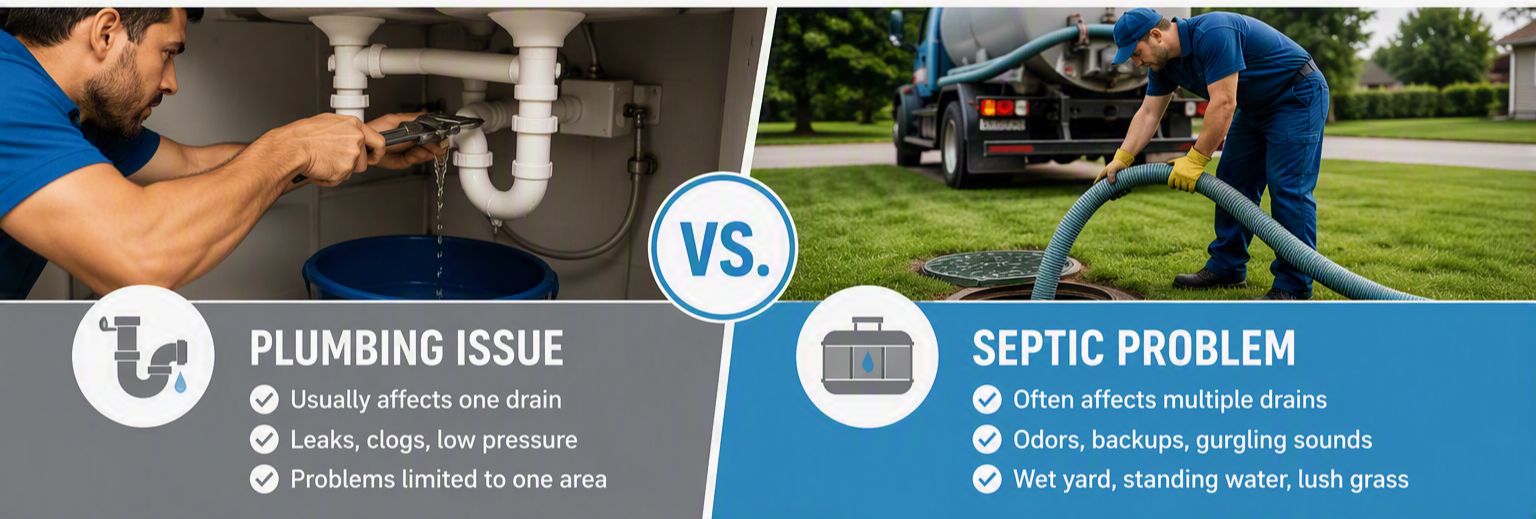
Remain alert for any sign of an issue with your septic tank, and call a septic system professional immediately—even if it occurs in the dead of night. Potential signs of deeper issues include a faint rotten egg smell on milder, warmer days, gurgling drains, and slowly flushing toilets. Although you may be tempted to ignore these issues, they can be the harbingers of winter disasters if they are ignored.
Follow these 10 steps to prepare your septic system for winter TODAY!
It’s Possible!
The unique problems of septic systems during the winter months CAN be prevented!
Follow the above 10 steps and enjoy the luxury of FORGETTING about your septic system all winter long!
Need help pumping your system and preparing for winter?
Contact RenewSource today for all of your septic system needs!